We build automotive software that passes validation the first time.
We integrate into your R&D team, work to your standards, and deliver against your acceptance criteria – without the six-month ramp of a new hire or the opacity of a junior offshore shop.
We cover the full V-cycle — requirements analysis through system validation — across every automotive domain. Instrument clusters, powertrain, BCM, ADAS, microcontroller drivers. The tools and processes your team already uses, applied by engineers who know the stack.
Embedded software development
Instrument clusters, head-up displays, secondary displays, and HMI systems. We work across the full V-cycle — from requirements analysis through module design, integration testing, and system validation — and deliver against your quality standards, not ours.
Embedded C · OSEK RTOS · AUTOSAR 4.x · V-cycle
Body control modules & access systems
BCM development for diverse vehicle architectures — keyless entry, tire information systems with DTC management and failure modes, NFC-based fleet management, cruise control, and electronic steering column. Secure ISM-frequency transmission for RKE, PASE, and TPMS.
BCM · TPMS · RKE / PASE · MatLab / TargetLink
Powertrain & EV systems
14V and high-voltage network management, charge management, motor control, cooling, thermal comfort, and vacuum systems. Auto-coding via MatLab for the application layer. FlexRay communication drivers. V-cycle process with defined delivery phases.
Motor control · HV management · FlexRay · ISO 26262
ADAS & functional safety
ADAS software delivery under AUTOSAR AS3/AS4 specifications with full functional safety awareness. QAC+MISRA static analysis, Polyspace, cyclomatic complexity checks, and code coverage on all new units. All sample applications built, compiled, and validated against requirements.
ADAS · MISRA 2016 · Polyspace · Cantata
Microcontroller driver development
AUTOSAR-compliant MCAL software modules for Renesas RH850/F1x and equivalent families — GPT, WDG, PORT, DIO, ADC, SPI, LIN/UART, CAN, FlexRay, and Ethernet drivers. Full test suite: unit, integration, and system. GHS Multi IDE, RenesasE1, QAC, Enterprise Architect.
MCAL · Renesas RH850 · CAN / LIN · Ethernet
System testing & validation
Manual and automated system validation on real and simulated test benches — real loads, intelligent switchboxes, CAN/LIN simulation. C-language automated test scripts, remote control of test equipment, and driving tests in real vehicle environments.
System validation · CANoe / CANdela · Vector tools
Boost capacity to fit your size, maintain quality. Our teams sync fast to build, modernize, and scale your software efficiently. Since 2014, we’ve provided seamless software development globally. Whether you’re scaling up or just starting, we power your projects with the latest tech, driving your digital-first strategy effectively. We engineer intuitive experiences that streamline your path to success, simplifying life for you and your clients, one code line and pixel at a time.
How we can work together
How you bring us in depends on what you’re building and how your team is structured. We work across three models: each with a clear scope, clear ownership, and no ambiguity about who does what.
Team integration
TQ engineers join your R&D team and work on defined project modules — receiving work packages from your project managers, planning delivery, and meeting your acceptance criteria. Same process discipline, your standards.
Best for: OEMs and Tier 1s with ongoing programmes and defined capacity gaps.
Dedicated delivery squad
A self-managed TQ squad takes ownership of a defined scope — analysis through validation — under your project direction. We handle internal planning, quality assurance, and delivery milestones. You review, accept, and integrate.
Best for: Time-boxed programmes or new platform development alongside an existing team.
White label / partner delivery
If you’re a consultancy or system integrator with automotive clients who need embedded engineering, we deliver under your brand. Full technical capability, your client relationship. NDA and formal partner terms apply.
Best for: Engineering consultancies, system integrators, and technology advisors.
Automotive Software Engineering process you can audit
Embedded software has a way of making skipped steps expensive. Defects that surface late in integration or validation rarely stay small, and a two-week fix at the wrong stage can stall a programme for months. That reality shapes how we work. Depending on programme complexity, regulatory requirements, and team structure, we run engagements on the V-cycle, on Agile with Scrum, or with both operating in parallel. The structure is fitted to the project. The discipline is constant.
01 Requirements analysis
Customer and system requirements reviewed, validated, and turned into a software requirements specification. User acceptance tests are designed before any code is written.
02 Software & architecture design
High-level and low-level design documents produced. Integration test cases derived from architecture. Module design drives unit test scaffolding.
03 Implementation
Code produced against MISRA guidelines, peer-reviewed under the four-eye principle. LINT and static analysis run continuously. Configuration managed in IBM Rational Synergy or client-preferred tooling.
04 Unit & integration testing
Unit tests cover every branch within each function. Integration testing in black-box mode validates interfaces between components. Coverage reported and justified where deviations exist.
05 System validation & delivery
System test compares the integrated product against the full specification. UAT confirms the system meets the requirements agreed in phase one. Release notes, metrics, and QA reports delivered with every build.
Yes. Our embedded automotive engineers have worked on OEM-facing programmes — instrument clusters, BCMs, powertrain, and ADAS — with the documentation standards, formal review cadences, and defect management processes those engagements demand. They know how work packages are structured, what acceptance testing looks like from the customer side, and what a top-level defect means for a programme. They are not arriving to learn your process.
We operate with functional safety awareness throughout — MISRA compliance, Polyspace and QAC analysis, formal review processes, safety-critical review objects that cannot be tailored out, and a defect severity scale calibrated to vehicle-impact levels. Formal ISO 26262 organisational certification is something we discuss depending on programme requirements. In practice, most OEM customers evaluate the process and the people. Both hold up under scrutiny.
Change management is a defined part of how we work from kick-off — not an exception process triggered when something goes wrong. Requirements changes go through formal impact assessment: what is the downstream effect on design documentation, test cases, and modules already delivered? We update the SRS, revise acceptance criteria, and adjust timelines transparently. If your programme has a history of evolving requirements, we agree a change control process before the first work package ships.
Change management is a defined part of how we work from kick-off — not an exception process triggered when something goes wrong. Requirements changes go through formal impact assessment: what is the downstream effect on design documentation, test cases, and modules already delivered? We update the SRS, revise acceptance criteria, and adjust timelines transparently. If your programme has a history of evolving requirements, we agree a change control process before the first work package ships.
Yes. We have worked with IBM DOORS, Polarion, and JAMA for requirements engineering; IBM Rational Synergy and MKS Integrity for configuration management; Vector CANoe, CANdela, and Geny for testing; GHS Multi IDE, IAR Embedded Workbench, and WinIdea for development; and JIRA for issue tracking. If your toolchain is different, we evaluate it at kick-off. The requirement is not which tool — it is that every decision is traceable, documented, and auditable.
Per delivery: bugs per line of code, code coverage against agreed minimums, cyclomatic complexity, coupling and cohesion, number of open defects by severity, percentage of reopened bugs, hours spent on refactoring, and number of realised features versus planned features. Defect severity thresholds — what constitutes low, medium, high, and top-level — are agreed with the customer at programme start and form part of the delivery KPI set.
Week one: kick-off meeting, programme presentation, initial training for the TQ team on your architecture, standards, and toolchain. Weeks two through four: requirements review, work package analysis, delivery planning, and formal agreement on KPIs — schedule tolerance, defect severity thresholds, unit test coverage targets, and deliverable acceptance criteria. The relevant TQ team lead participates in the initial estimation and planning process. Nothing is built before we have agreed on what done means. That agreement is the most valuable output of the first month.
Our latest blog articles on software programming and everything between
Business,tq vibes
“You Have to Trust the Model at Some Point”: Notes from Our AI Roundtable
The short version Last week we sat down for an internal roundtable on AI with one of our client’s CTO and their VP, looking at it not just from a technology point of view but a societal one. No
Case study: custom software for field service operations
The short version This custom software case study covers two field service operations: a multi-state agritech delivery network and one of the largest U.S. residential solar installers. Both ran on spr
ContentStatus: case study of how a dedicated team helped a startup scale its product
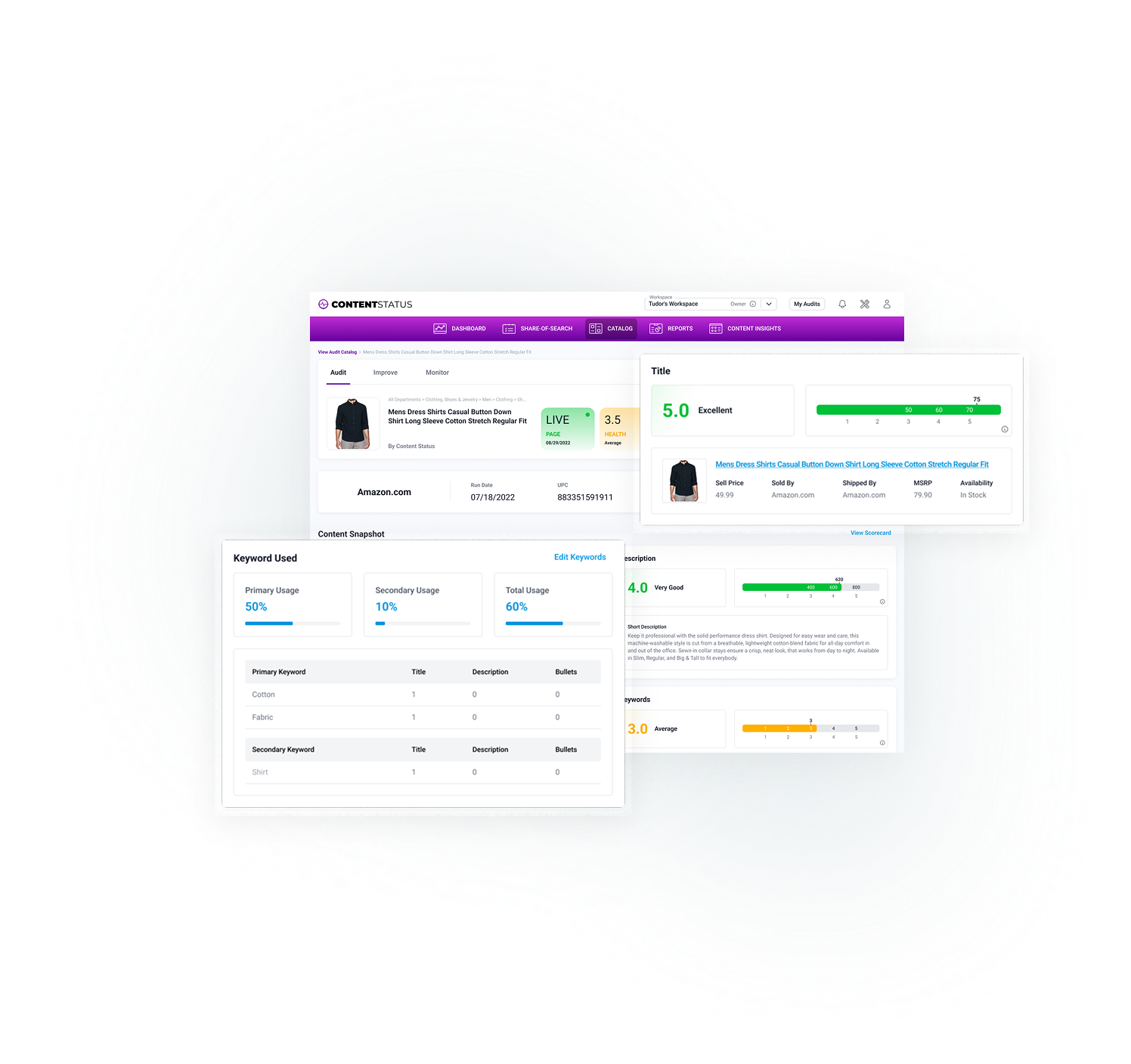
The short version ContentStatus started as a 1–10 person team with an MVP that was starting to buckle under real usage: 100+ retailers depending on a platform that was slow, hard to scale, and g
Automotive programmes don’t forgive late discoveries. Whether you’re starting a new platform or hardening what you already have, we’ve been in this codebase before, from requirement through validation. Tell us where you are and we’ll tell you exactly how we fit.