


This custom software case study covers two field service operations: a multi-state agritech delivery network and one of the largest U.S. residential solar installers. Both ran on spreadsheets, phone calls, and gut feel. We built each of them a custom platform, then layered AI on top of the data those platforms capture. The result: 580+ active users on a single source of truth, 400+ utility applications automated at roughly 90 seconds each, and 700+ jobs monitored by AI every week.
This custom software case study covers two field service operations: a multi-state agritech delivery network and one of the largest U.S. residential solar installers. Both ran on spreadsheets, phone calls, and gut feel. We built each of them a custom platform, then layered AI on top of the data those platforms capture. The result: 580+ active users on a single source of truth, 400+ utility applications automated at roughly 90 seconds each, and 700+ jobs monitored by AI every week. It’s a companion piece to our broader look at AI for field service, this time with the actual numbers behind it.
What business case does field service management software solve?
Both operations came to us with the same problem in different clothes. The agritech operator planned routes, assigned drivers, and juggled farm schedules by hand. As a result, nobody had a live view of vehicles or completed stops. Meanwhile, the cargo included time-sensitive, temperature-controlled supplies bound for working farms. So every delivery carried biosecurity weight. A skipped protocol or an unverified handoff could disrupt an entire operation.
The solar installer faced the office-side version of the same chaos. Leads sat scattered across more than 100 dealer companies with no central platform. Also, staff submitted utility applications by hand for every single job. Meanwhile, hundreds of active installs ran with no way to flag risks early.
Manual coordination doesn’t just slow things down. It also leaves value on the table. Routes get sequenced by gut feel, and delays surface only after they’ve happened. Likewise, jobs stall without anyone noticing, and reorders depend on a phone call. That is the business case field service management software solves. First, it puts the whole operation on one screen. Then it puts the data it captures to work.
Case study 1: an AI-ready dispatch platform for agritech logistics
For the agricultural supply operator, we designed one integrated platform. It pairs a web dispatch portal with a native driver app for iOS and Android. Both run on a cloud-hosted backend built to scale with the operation. In short, this is the dispatch software case study half of the story.
A live dispatch portal for the office
The portal gives operations a live map of every active route and driver position. Progress shows stop by stop, with a detail panel for ETAs and delivery status. Also, dispatchers manage drivers, farm customers, and routes in one place. They build ordered stop sequences with drag-to-reorder and address search. Then they attach biosecurity alerts to each site. Finally, they set the real cost drivers behind every run: fuel per mile, tolls, driver wages, and per-stop rates.
A driver app built for the road
On the road, drivers see their assigned routes and navigate with turn-by-turn directions. They confirm deliveries and stream live GPS back to the portal. Meanwhile, barcode and QR scanning at the depot and on arrival tracks every package. As a result, each delivery has a verifiable chain of custody. Handling and temperature requirements appear at each stop, too. This driver-facing layer is the same kind of field service mobile app work we do across every industry we build for.
Every one of those actions also leaves a trail of data. Think GPS traces, dwell times, scan events, temperature readings, and delivery history. That is the groundwork the AI layer is built on.
Where AI takes the dispatch platform further
- Route optimization. An engine plans each day’s routes around time windows, traffic, capacity, and per-stop cost. Then it adjusts when a stop changes. So dispatch approves a recommendation instead of solving a puzzle by hand.
- Demand forecasting and smart reordering. A model learns each customer’s reorder rhythm from delivery history. As a result, it flags when an order is likely due. Restocking becomes something you plan for instead of wait for.
- Predictive ETAs and delay alerts. The platform uses the live GPS and timing the app already sends back. Then it flags routes likely to run late before they do. So dispatch can call ahead or reassign a stop early.
- Cold-chain and biosecurity anomaly detection. The system watches for a temperature out of range or a stop taking too long. It also catches scans out of order and skipped protocols. When something looks off, it surfaces right away.
- A natural-language dispatch assistant. Dispatch can ask which routes are behind today or what went wrong yesterday. Then they get a clear answer without digging through screens.
Case study 2: the operational backbone for a top U.S. solar installer
For the residential solar installer, we built a custom internal platform with three integrated modules. These are a Sales Portal, browser automation for utility applications, and an AI operations layer. Each module targets one of the original pain points directly. Together, they form one connected system, not three separate tools.
The Sales Portal: one source of truth
The Sales Portal is now the backbone for 100+ dealer companies, 150+ teams, and 580+ users. It covers California, Texas, and North Carolina. In February 2026, the legacy CRM was retired across the dealer network. Since then, the portal has been the sole source of truth for all lead and job management.
It runs a full role hierarchy. Sales Admins, Managers, Reps, Lead Generators, and Appointment Setters each hold tightly scoped permissions. Onboarding is a self-served, two-step flow. First, platform admins invite dealer companies. Then company owners manage their own users, teams, and roles.
Lead lifecycle management covers creation, assignment, appointment setting, verification, and conversion to job. Also, a real-time dashboard shows trends, payment data, and a leaderboard of the top five reps. Finally, Customer Verification sends an SMS to the homeowner to confirm their sales rep’s identity. In other words, fraud prevention sits in the core of the platform.
Automation and the AI operations layer
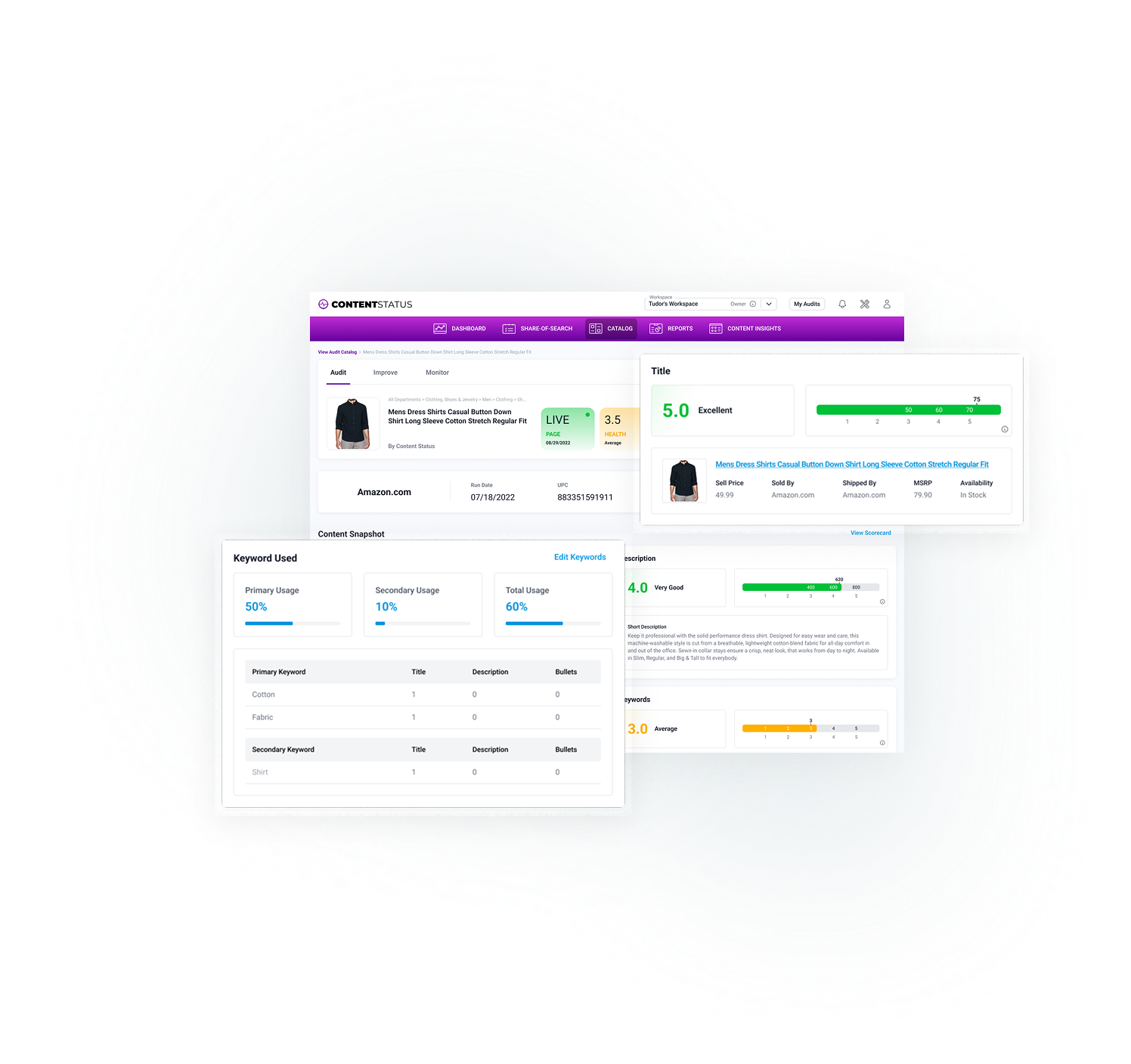
The automation module uses Playwright-based browser automation. It handles four distinct utility application flows, including SCE, PG&E, and SDG&E. As a result, a manual per-job chore became a roughly 90-second automated submission. So far, over 400 applications have run automatically.
The AI operations layer is built on the Claude API and grounded in live operational data. Every week, it monitors 700+ active jobs in real time. It runs scenario-based analysis to flag at-risk installs early. Also, it answers questions in plain language.
| Agritech logistics platform | Solar installer platform |
|---|---|
| Web dispatch portal with a live map of every route | Sales Portal: sole source of truth for 580+ users |
| Native iOS and Android driver app with turn-by-turn navigation | Full role hierarchy with self-served dealer onboarding |
| Barcode and QR chain of custody on every package | SMS Customer Verification for fraud prevention |
| Cold-chain and biosecurity anomaly detection | Playwright automation for four utility application flows |
| Route optimization, predictive ETAs, and a dispatch assistant | Claude-powered AI ops monitoring 700+ jobs weekly |
How field service software improves scheduling and dispatching
Across both engagements, the scheduling and dispatching gains came from the same three moves. First, put everything in one place: a single live view of routes, drivers, jobs, and customers replaces the swivel-chair work of reconciling spreadsheets, calls, and legacy systems. Second, let the software do the sequencing: optimization engines and automated workflows handle the mechanical parts of planning, from stop order to application submissions to assignment, so dispatchers and admins make decisions instead of doing data entry. Third, surface problems before they land: predictive ETAs, anomaly detection, and AI job monitoring turn the operation from reactive to proactive, so a late route or a stalled install becomes a call ahead rather than an apology afterward.
The platform has to come before the AI. In both projects, the AI features only work because the operational platform came first. Route optimization needs the GPS traces and stop timing the driver app captures. Job risk monitoring needs the lead and install data the Sales Portal holds. Bolting AI onto disconnected tools means feeding it stale or partial data. Building the platform and the intelligence as one system means the AI is grounded in what is actually happening on the ground.
The results: what a field service software case study should show
A credible operations software case study should report adoption, throughput, and time saved, not just screenshots. Here is what these two platforms deliver in plain numbers:
- 580+ active users across 100+ dealer companies, with the platform serving as the sole source of truth since February 2026
- 8,000+ leads and 2,400+ jobs managed across the system’s lifetime, including 5,000+ leads and 1,100+ jobs since go-live
- 400+ utility applications automated, at roughly 90 seconds each instead of a manual per-job process
- 700+ jobs monitored by AI in real time, every week, with at-risk installs flagged early
- For the logistics operation: fewer miles driven, fewer late deliveries, fewer spoiled shipments, and fewer missed reorders, with a verifiable chain of custody on every package
How we deliver: services and engineering approach
Both platforms were delivered end to end: product strategy and requirements, UX and UI design for multi-role platforms, full-stack custom development, systems and third-party integration, browser automation engineering, AI and LLM integration, authentication and fraud prevention, cloud infrastructure and DevOps, and QA with continuous iteration after launch. The solar platform runs on a React and TypeScript frontend, a Node.js API with PostgreSQL, Twilio for SMS and OTP authentication, and AWS with Docker and CI/CD. The engineering approach is stack-agnostic by design: we build around each client’s existing systems and team, choosing the cloud, backend, web, and mobile technologies that fit the operation, not a fixed toolset. If you’re still working out who should build something like this for you, our guide to choosing a software development partner for a field service business covers what to look for.
Frequently asked questions
What business case does field service management software solve?
How does field service software improve scheduling and dispatching?
What examples show custom mobile field service apps transforming operations?
What results should a field service software case study include?
TechQuarter builds custom platforms and the AI that runs on them for field service, logistics, energy, and supply-chain teams, adapting the technology to fit how you already work.
Planning something similar for your operation?